



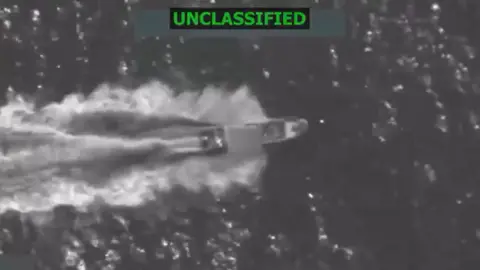
Since early September, the US military has carried out 21 deadly strikes, primarily from drones, on alleged drug-trafficking boats, bringing the death count to 82. The operations target suspicious vessels traveling across known drug trafficking routes. Following the first strike, President Trump told Congress that the US is in an “armed conflict” against drug cartels, referring to those killed as “unlawful combatants.”
This type of language is not new to this country, and Trump is far from the first president to take militaristic action without referring to Congress. By referring to drug cartels as violent attackers, the US may claim self-defense when using deadly force against their traffickers. Many of the cartels targeted are classified as terrorist organizations, though several announcements on successful strikes did not specify whether this was the case or which organization was attacked. Historically, drug traffickers typically have the right to due process in the US, making the decision to kill the alleged traffickers without legal review a new legal territory.
Another concern is the accuracy of the attacks. Colombia’s president, Gustavo Petro, claims that a boat attacked on Sept. 15 belonged to a fisherman and that the strike resulted in the loss of innocent lives. The White House disputed this claim, but the lack of evidence released to the public is causing some wariness. There are concerns amongst both law experts and citizens that the strikes could be illegal, with some claiming they broke international law.
Though evidence defending the legality of the attacks is still classified, some footage of the strikes has been unclassified and posted to social media, including Trump’s Truth Social account and Pete Hegseth’s X account.