



As young people continue to enter the workforce, and as their legal protections continue to loosen, the importance of education grows more relevant.
A survey was conducted on Feb. 10-11, in which 65 responses were collected from UW-Platteville Snapchat users ranging from ages 18-31. Respondents were asked for the age they got their first job, what that job was, and what advice they had for young people looking to enter the workforce. The intent of this survey was to collect advice from young adults that could help young teens prepare for their first job. In addition to this, reporters at the Exponent office were asked for their advice to help young workers protect themselves from exploitation.
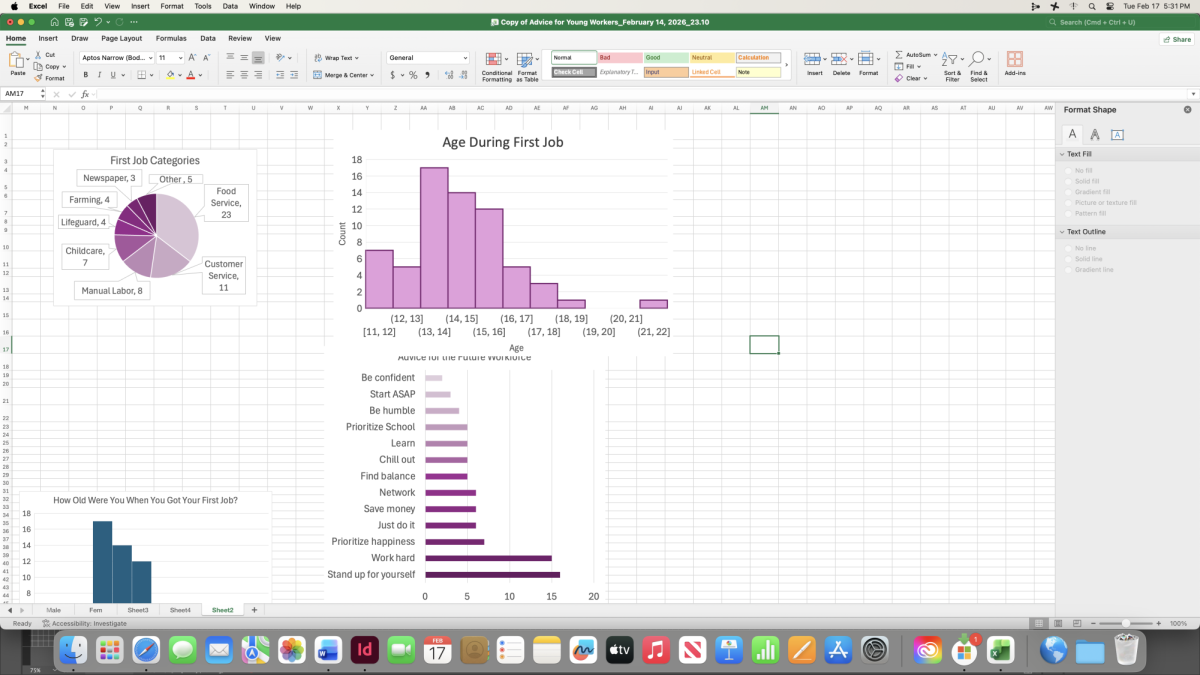
The most popular advice, with 16 responses, was to stand up for yourself in the workplace, followed closely by working hard at your first job with 15 responses:
“Make sure you vet the people you’re working for. Make sure the work environment is something you want to work in.”
Seven responses focused on the importance of prioritizing happiness while working early entry-level jobs, and five noted that first jobs don’t need to be taken too seriously:
“Find a job that’s fun or one where you work with friends. Having a job when you’re young typically isn’t that serious, so why not find something enjoyable?”
“Don’t stress out about it. Getting work experience is valuable, but it’s also important to maintain balance for people in high school”
Six responses advised that young people should start saving money early on:
“Find a job that you can easily work, so that you start saving money. It will be extremely helpful in the future if you have money saved up.”
Another six responses emphasized the importance of networking, and five recommended learning as much as possible from every opportunity:
“Focus on building skills that you can advertise when applying to future jobs (especially for your career).”
“Hold yourself accountable and be professional. The more people you know and have a good reputation with, the more opportunities you have in the future.”
Six responses were more blunt, stating that young people should just get a job and get through the workday:
“Get a job, you’ve got too much free time”
Four responses advised that new employees should stay humble and respectful:
“You’re not above anyone, that includes coworkers and customers.”
Because so many people enter the workforce in their early teens, it can be easy for them to get caught up in the excitement from their newfound independence. They may be more naïve to exploitative or other inappropriate behaviors from their supervisors or may not feel confident enough to speak up for fear of punishment. This may be why the most popular advice is to protect oneself from employers looking to take advantage of inexperienced employees.
On that topic, members of the Exponent office were asked for their advice to help young workers defend themselves from exploitation in the workplace:
Wage: It’s often considered rude to ask coworkers about their wages, but it is within your right to do so. In most cases, it is illegal for an employer or supervisor to tell you not to discuss your wage or to punish you if you do. The law even protects you if you discuss it during working hours.
Breaks: Minors must take a 30-minute duty-free break if they work more than six consecutive hours. Don’t allow yourself to be pressured into skipping your break.
Paystubs: Save your paystubs and look them over. Your supervisor is not allowed to take money out of your paychecks. If they want to because of an error or suspected theft, they still can’t take money from you unless you give them permission in writing for that individual incident.
Tips: Your manager or supervisor cannot take your tips. This includes taking a share of tip pools or tip jars.